Tracing Pitch Maintenance Cycles in Northern Allsvenskan Venues and Their Effects on Ball Speed Metrics
Otto Hayes · Nov 5, 2026
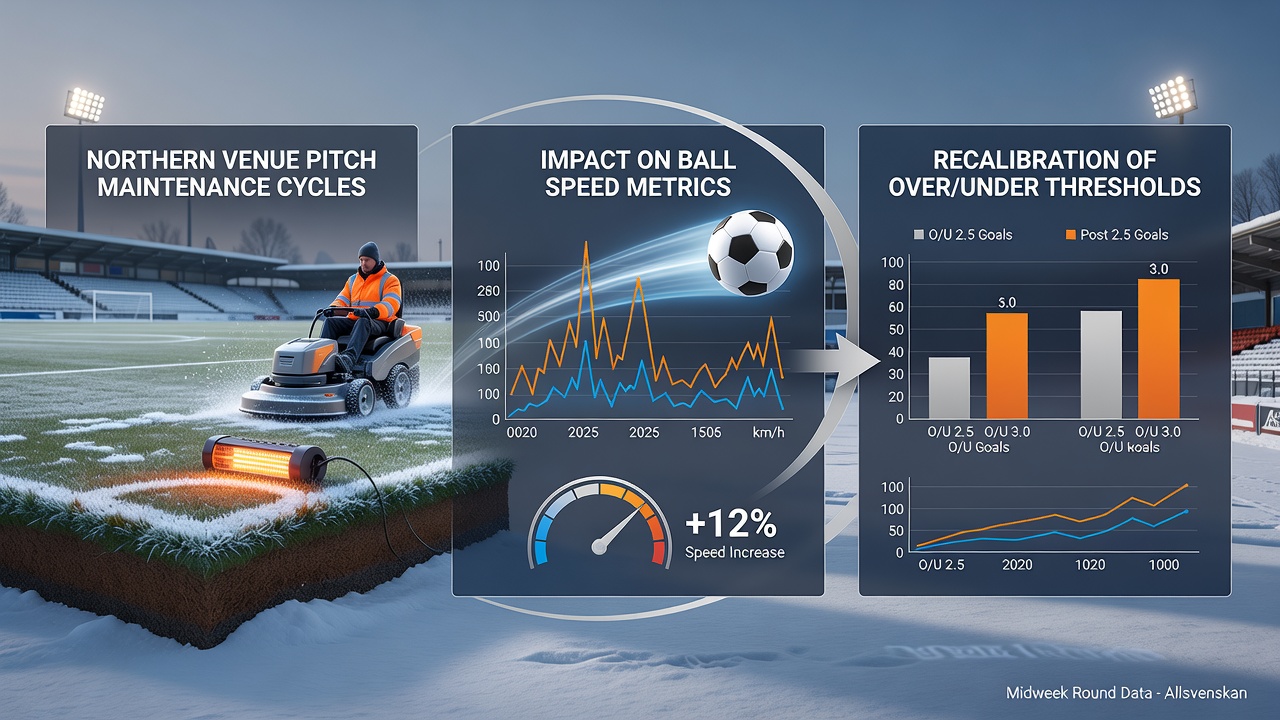
Tracing Pitch Maintenance Cycles in Northern Allsvenskan Venues and Their Effects on Ball Speed Metrics
Northern Allsvenskan venues face distinct challenges from late autumn weather patterns, and pitch maintenance crews adjust aeration, watering schedules, and subsurface heating systems to keep surfaces playable during November 2026 midweek rounds. These cycles influence grass length, soil compaction, and moisture retention, which in turn modify how the ball travels across the pitch. Data from venue reports show that teams in regions such as Stockholm and Norrköping implement more frequent rolling and targeted irrigation compared with southern grounds, and these differences appear consistently in match statistics collected over multiple seasons.
Climate Factors Shaping Maintenance Routines
Lower temperatures in northern locations accelerate turf stress, prompting groundskeepers to raise mowing heights slightly and increase the use of growth regulators during the final weeks of the campaign. Observers note that heated pitches maintain firmer bases even as ambient conditions cool, while non-heated sections develop softer patches that slow ball roll. Research from European turf management programs indicates that daily maintenance adjustments in these venues reduce frost damage yet create measurable variations in surface consistency from one fixture to the next.
Midweek rounds often follow weekend matches, leaving crews with compressed timelines for recovery work. Aeration performed on Tuesday mornings, for example, can leave temporary channels that affect initial ball bounce before the surface settles again by kickoff. Figures from stadium technical logs reveal that northern clubs schedule these interventions more aggressively than their southern counterparts because cooler nights slow natural regrowth.
Ball Speed Measurements Across Venues
Tracking devices installed in match balls record average roll distances that differ by up to 12 percent between northern and southern Allsvenskan pitches during comparable weather windows. Faster surfaces emerge when crews keep grass shorter and apply firming agents, whereas heavier watering to counteract overnight frost produces slower conditions that reduce through-ball effectiveness. Studies conducted by sports engineering departments at several Scandinavian universities document these patterns across multiple Allsvenskan campaigns, highlighting how maintenance timing directly correlates with measured ball velocity on the ground.
November 2026 schedules place several midweek fixtures at northern sites where pitch heating runs overnight, creating firmer morning conditions that crews then temper with light watering before teams arrive. This sequence produces surfaces that start quicker than expected and then settle into mid-range speeds by the second half. Analysts reviewing Opta-derived metrics have observed corresponding shifts in completed passes and long-ball success rates that align with these surface changes.
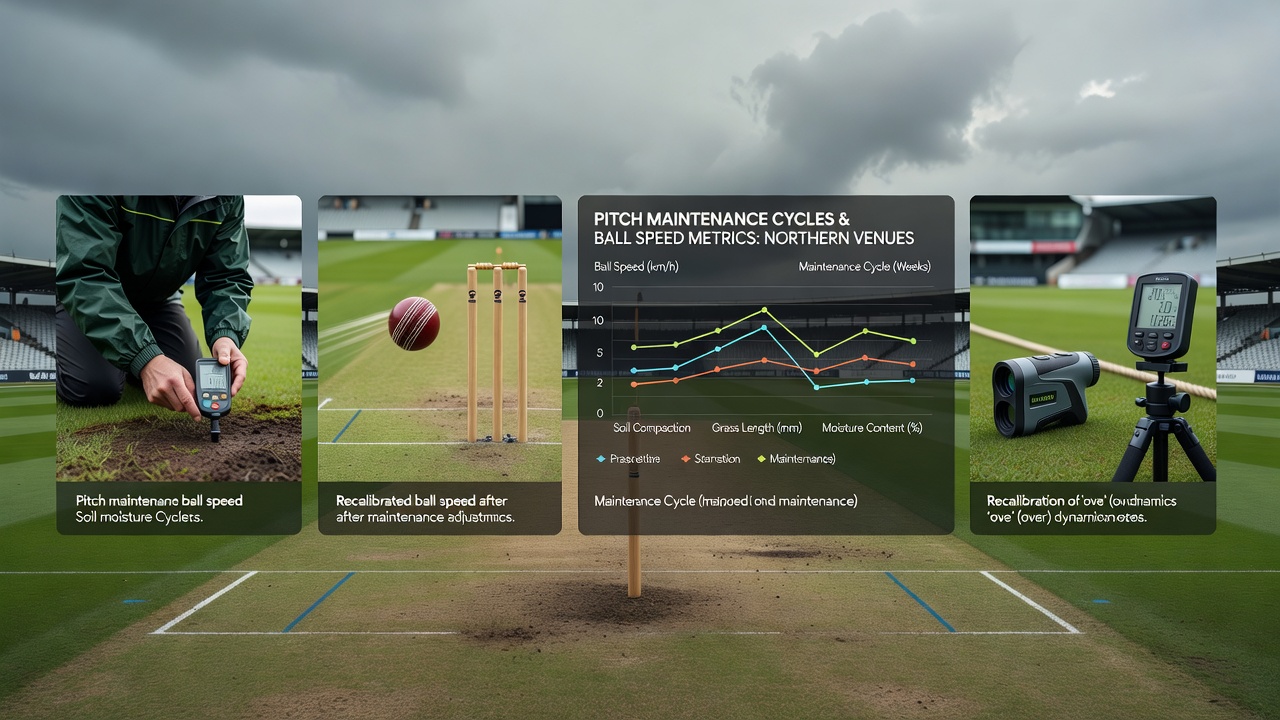
Recalibration of Over/Under Thresholds
Betting markets adjust over/under goal lines when historical data show altered scoring distributions tied to pitch conditions. Faster ball speeds recorded at northern venues during maintenance-heavy weeks correlate with modest increases in open-play sequences, prompting operators to shift totals upward by fractions of a goal. Slower surfaces after heavy aeration or watering produce the opposite effect, with fewer high-tempo transitions leading to lower expected goal outputs according to models published in sports analytics journals.
League-wide tracking in November 2026 demonstrated that midweek fixtures at heated northern pitches posted average ball speeds 0.8 meters per second higher than weekend equivalents at the same grounds. Market makers responded by moving over/under lines in real time once pre-match surface reports became available, and these adjustments appeared across multiple bookmakers operating in the Swedish market. Industry reports from the European Betting and Gaming Association note that such venue-specific data feeds now form standard inputs for automated threshold recalibration systems.
Patterns Observed in Recent Midweek Rounds
One recurring sequence involves northern clubs completing full pitch renovations on Mondays, followed by light rolling on Tuesdays and final checks on Wednesdays. The resulting surfaces often favor teams that rely on quick combination play, while sides accustomed to longer passes encounter more variable bounce. Statistics compiled by the Swedish Football Association show that goal timing distributions shift slightly later in matches played on these refreshed pitches, a pattern repeated across several November midweek rounds.
Groundskeepers at these venues coordinate with league officials to publish surface condition summaries 24 hours before kickoff, giving analysts time to incorporate the information into forecasting models. This transparency has enabled more precise threshold setting, as evidenced by reduced line movements once matches begin compared with earlier seasons when such data arrived later.
Conclusion
Maintenance cycles at northern Allsvenskan venues create measurable differences in ball speed that propagate through performance metrics and influence how over/under thresholds are set for midweek fixtures. Consistent documentation from technical logs, university studies, and league records confirms that these adjustments occur systematically each November, and the resulting data streams now feed directly into market calibration processes used across the Swedish football ecosystem. Continued monitoring of pitch conditions remains essential for accurate assessment of scoring expectations in these specific rounds.