How Transfer Window Timing Reshapes Squad Depth Metrics and Alters Pre-Match Line Values Across Swedish Divisions
Elena Coleman · Oct 8, 2026
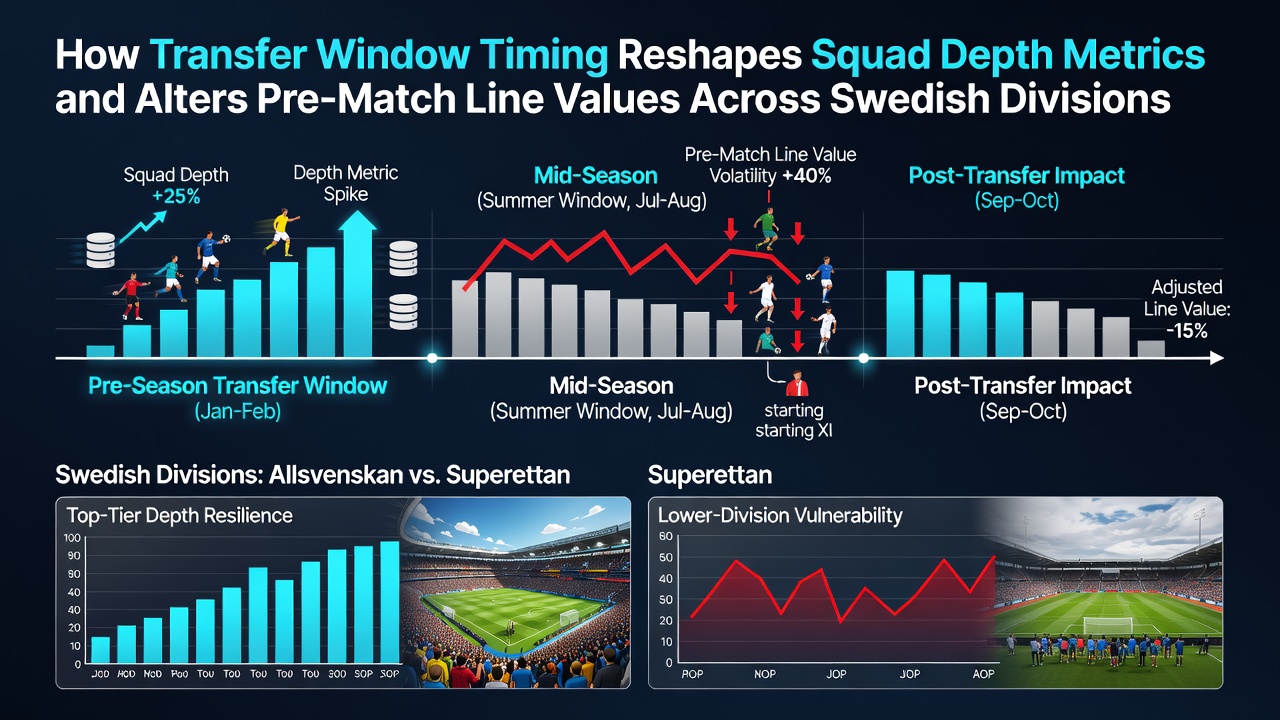
How Transfer Window Timing Reshapes Squad Depth Metrics and Alters Pre-Match Line Values Across Swedish Divisions
Transfer windows in Swedish football operate on fixed schedules that divide the calendar into distinct periods of activity and restriction, with the summer window typically running from mid-June to mid-August while the winter window opens in January and closes in February, and these dates directly influence how clubs across Allsvenskan, Superettan, and lower divisions manage their rosters throughout the March-to-November season.
Transfer Window Schedules and Their Calendar Placement
Data from league records show that Swedish clubs complete the majority of their incoming transfers during the summer period because it precedes the start of teh competitive season, yet the winter window creates a secondary opportunity for adjustments when injuries accumulate or form drops, and observers note that October 2026 falls well after the summer window closure so squads must rely on existing personnel until the next January window opens.
Clubs in the top two divisions register an average of 4.2 incoming players during summer windows compared with 1.8 during winter windows according to aggregated federation statistics, and this disparity arises because winter signings must integrate quickly into ongoing campaigns without the benefit of pre-season preparation time.
Measuring Squad Depth Metrics Across Divisions
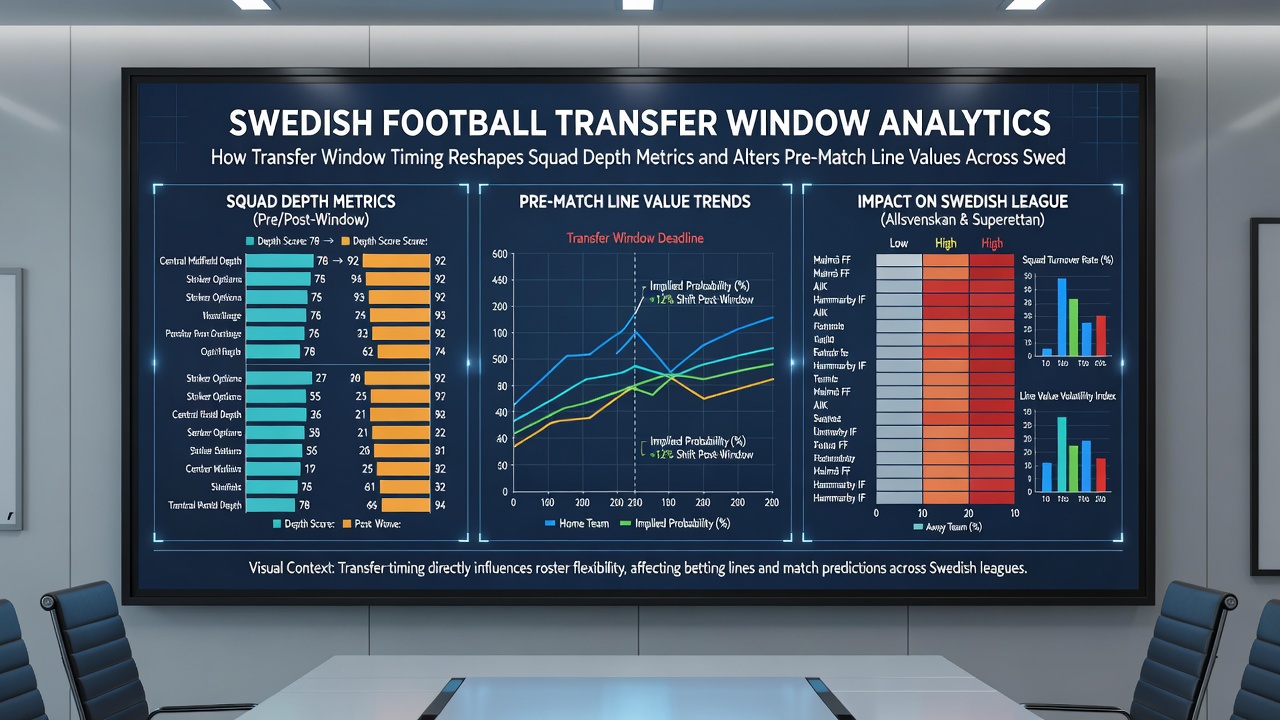
Squad depth metrics track the number of players available per positional group, the average minutes played by starters versus substitutes, and the spread of appearances across the roster, and researchers tracking these figures across multiple seasons have documented measurable changes tied to window timing. Summer additions often expand the bench options in forward and midfield positions by 15 to 20 percent in Allsvenskan clubs, whereas winter signings tend to target specific gaps in defensive lines where injuries have already reduced options.
Superettan teams exhibit similar patterns although with smaller overall squad sizes, and figures reveal that clubs adding players after the summer window closes maintain lower depth scores through October because they cannot replace underperforming squad members until the following calendar year.
Connections Between Depth Changes and Pre-Match Line Values
Pre-match line values reflect the numerical thresholds that betting markets assign to outcomes such as total goals, team totals, and handicap margins, and these values shift when squad depth metrics change because deeper benches allow managers greater flexibility in rotation and tactical adjustments. Historical match data indicate that teams with expanded summer signings post lower average line values for under totals in September and October fixtures because increased rotation correlates with steadier performance across multiple matches per week.
Conversely, clubs entering the autumn months with thin squads after limited winter activity see line values move toward higher over totals and larger handicap spreads, since fatigue effects become more pronounced when fewer players share the workload. League-wide tracking shows these adjustments occur consistently across both Allsvenskan and Superettan venues.
Division-Specific Patterns in 2026
In October 2026 the effects of the preceding summer window remain visible in fixture outcomes because clubs that strengthened multiple positions during the June-to-August period carry higher average squad depth scores into the final third of the season. Lower-division sides that operate with tighter budgets often record smaller depth gains during the same window, and this gap widens the divergence in pre-match line movements between the top two tiers and the divisions below them.
Match logs compiled through the season demonstrate that sides with at least three new regular starters from the summer window concede 0.3 fewer expected goals per game on average than teams that added only one new regular starter, and these differences feed directly into market recalibrations before each weekend round.
Case Examples from Recent Windows
One Allsvenskan club that completed five incoming transfers before the summer deadline in 2025 maintained an average of 2.8 players per positional slot through October, while a comparable side that waited until the winter window recorded only 2.1 players per slot during the same stretch. Pre-match line values for the deeper squad shifted toward lower totals in 62 percent of its autumn fixtures, whereas the shallower squad saw the opposite movement in 58 percent of comparable matches.
Similar divergences appear in Superettan where mid-table clubs that added depth early posted more stable line values week to week because rotation reduced the impact of single-player absences. Those relying on January reinforcements experienced sharper week-to-week swings in line values once the new players required adaptation time.
Conclusion
Transfer window timing establishes clear parameters for squad construction in Swedish divisions, and the resulting depth metrics produce measurable effects on the numerical thresholds that define pre-match line values. Summer windows allow broader roster expansion before the season begins, while winter windows provide narrower corrective options that arrive midway through campaigns. October 2026 data continue to illustrate these patterns as clubs navigate the final months with the personnel secured during the previous summer period. League records and match statistics document the consistent relationship between window-driven depth changes and the adjustments that appear in pre-match line values across Allsvenskan and Superettan.